The Importance of Location Data
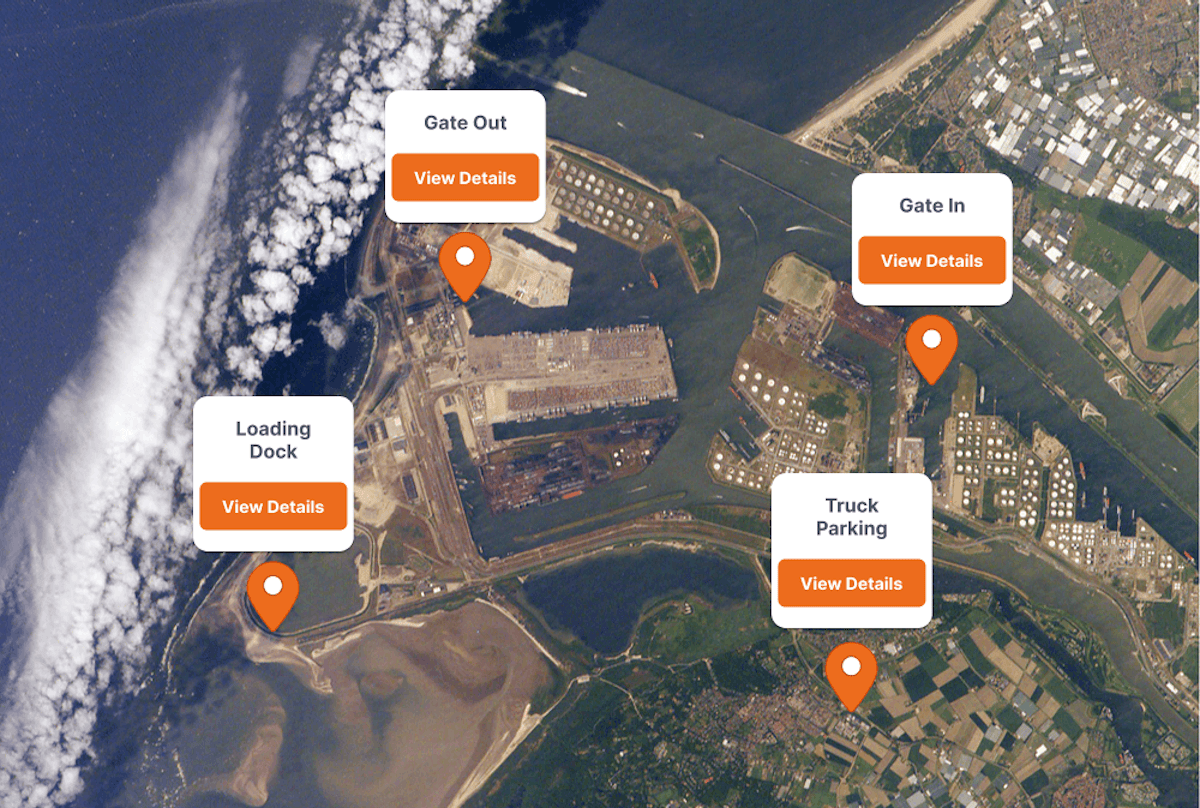
In today’s fast-paced business world, location data has become more than just a logistical detail—it’s a strategic cornerstone for operational success. As businesses expand and supply chains grow increasingly complex, the need for accurate, reliable location data is more critical than ever. Whether it’s ensuring timely deliveries, optimizing transportation routes, or planning warehouse locations, precise data serves as the backbone of efficient operations.
Yet, many organizations underestimate the impact of poor location data until it’s too late. The consequences are significant: higher operational costs, delayed deliveries, and dissatisfied customers. These errors not only create inefficiencies but also tarnish customer relationships and impact the bottom line.
In this blog post we will go through why location data plays such an important role in today’s businesses, and if you want to find out more about the evolution of the supply chain you can read our blog post here.
How Poor Location Data Impacts Businesses
The ripple effects of bad location data are far-reaching. At the operational level, incorrect or outdated data often results in routing errors and wasted resources. For example, if delivery drivers are sent to the wrong address, the time and fuel spent correcting the mistake add up quickly. Multiply this by hundreds or thousands of deliveries, and the costs become staggering. Additionally, the strain on internal teams to manually validate and update records detracts from more strategic priorities.
Beyond inefficiencies, poor location data also creates vulnerabilities in compliance and risk management. In industries like pharmaceuticals or chemicals, where strict regulations govern transportation and storage, inaccuracies can lead to non-compliance, hefty fines, and reputational damage. Furthermore, companies lose opportunities to optimize their operations when they don’t have a clear picture of their supply chain. For example, businesses unable to identify high-demand areas may miss the chance to strategically position inventory closer to customers, leading to lost sales and slower delivery times.
Unlocking Operational Efficiency with Accurate Location Data
Investing in accurate location data isn’t just about avoiding problems—it’s about unlocking new levels of efficiency and opportunity. For instance, precise data allows businesses to optimize transportation routes, reducing fuel consumption, delivery times, and environmental impact.
Accurate location data also empowers businesses to make smarter decisions. By providing a 360-degree view of supply chain operations, businesses can strategically place warehouses near high-demand areas, optimize inventory management, and improve customer service. One retail company, for example, can use location data to redesign its distribution network, resulting in a reduction in transportation expenses and improvement in delivery times. This demonstrates how leveraging data goes beyond fixing inefficiencies—it creates measurable value across the organization.
The rise of automation in logistics has further amplified the importance of accurate data. Technologies like autonomous vehicles and automated warehouse systems rely on precise location data to function effectively. Without it, these systems risk disruptions that could negate their cost-saving potential. For businesses preparing for a more automated future, investing in location data today is critical to staying ahead.
Building Transparency and Trust Through Data
In an era where consumers, regulators, and stakeholders demand greater visibility, location data plays a vital role in ensuring transparency. Accurate data enables businesses to track goods in real time, monitor the performance of logistics partners, and provide customers with clear delivery timelines. Transparency not only builds trust but also enhances accountability within supply chains.
For instance, a pharmaceutical company transporting sensitive products implemented a location data management system to monitor shipments from production to delivery. This system helped ensure compliance with strict regulatory guidelines and reduced the risk of counterfeit goods entering the supply chain. By using accurate data to create a single source of truth, the company improved both its operations and its reputation.
Why Businesses Must Act Now
The importance of accurate location data will only grow as supply chains become more complex and reliant on digital tools. Delaying action not only increases the risk of inefficiencies but also puts businesses at a competitive disadvantage. Companies that prioritize location data management now will be better positioned to reduce costs, improve customer satisfaction, and embrace future technologies like AI and predictive analytics.
Getting started is simpler than it seems. Begin by assessing your current data for gaps or inconsistencies. Invest in a reliable platform, like LogBook, that offers real-time updates, standardized data management, and seamless integration with existing systems. By taking these steps, businesses can unlock the full potential of location data, ensuring they remain competitive in an increasingly connected and fast-paced world.
Conclusion
Location data is no longer a nice-to-have—it’s a must-have for businesses aiming to thrive in today’s dynamic environment. From reducing operational costs to enabling smarter decision-making and building customer trust, accurate location data underpins the success of modern operations. As supply chains become more automated and customer expectations continue to rise, investing in location data is an investment in the future.
By addressing the inefficiencies of today, businesses can pave the way for a more resilient, transparent, and efficient tomorrow. The time to act is now—make location data the foundation of your strategy for growth and success.