Introduction to Location Data in Supply Chain
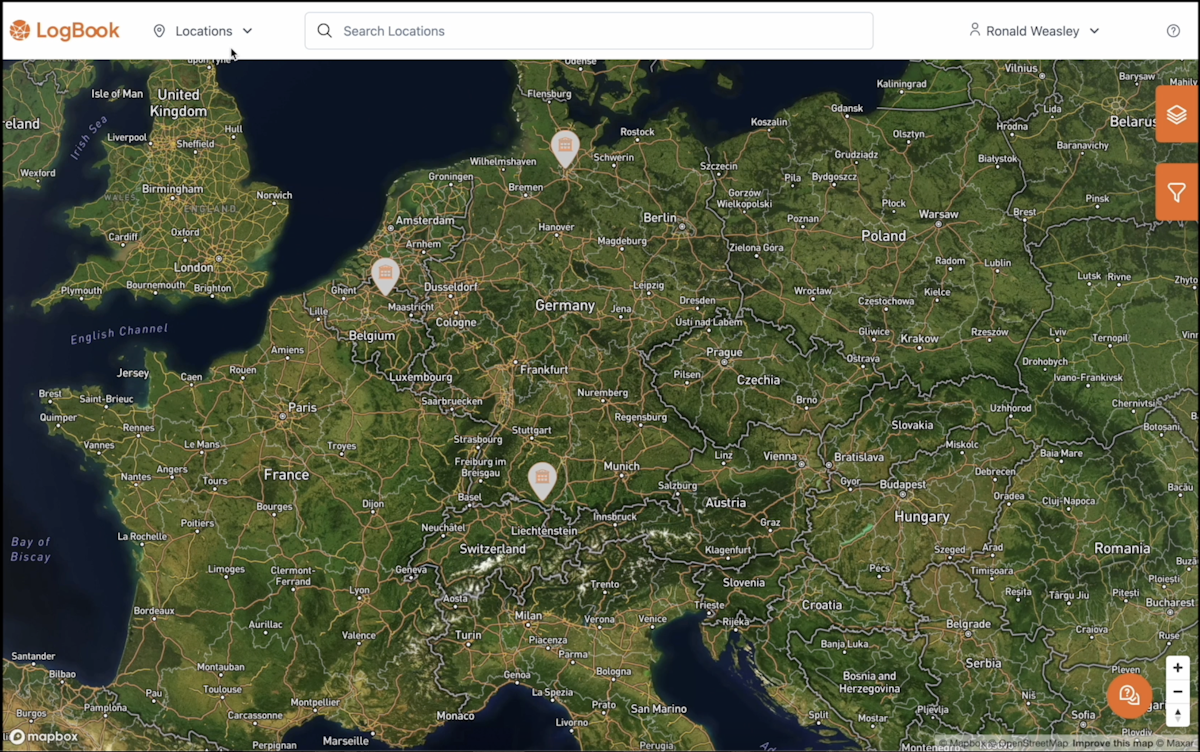
In an increasingly interconnected world, businesses are under pressure to operate more efficiently, manage costs, and meet growing customer demands. One of the most crucial assets helping companies meet these challenges is location data. But what exactly is location data, and how does it fit into the broader landscape of supply chain management?
In this post, we’ll dive into the dynamics of location data—what it is, how it’s used across the supply chain, and why it has become a game-changer in optimizing supply chain operations.
What is Location Data?
Location data refers to the geographical information associated with various logistical points in the supply chain. This can include the exact locations of warehouses, distribution centers, transportation routes, and retail outlets. It also encompasses information about specific items, shipments, and assets within the supply chain network.
This data is gathered using a variety of technologies, including:
GPS (Global Positioning System): The most common method used for real-time tracking of vehicles, shipments, and assets.
Geotagging: The process of attaching geographical coordinates (latitude and longitude) to data points, such as inventory in a warehouse.
Mapping Software and GIS (Geographical Information Systems): These tools help visualize, analyze, and interpret location data, enabling smarter decision-making.
Web research by the backoffice to find out details about related locations
Phone calls and email exchanges with the operations teams of the respective locations and service providers
While location data sounds simple at first glance, it is a multifaceted resource that impacts nearly every aspect of the supply chain, from planning and inventory management to transportation and customer delivery.
How Location Data is Used Across the Supply Chain
Location data is integral to the functioning of modern supply chains. It enables companies to gain insights into where their goods are, how they’re moving, and how best to optimize operations. Here are the key ways in which location data is used across different stages of the supply chain:
1. Transportation
Transportation is one of the largest cost drivers in the supply chain, and location data is key to minimizing these expenses. By accurately tracking vehicles and shipments, companies can optimize delivery routes, reducing travel time, fuel costs, and overall vehicle maintenance.
Real-time tracking: Companies can track shipments in real-time, adjusting delivery routes based on factors like weather, traffic, or road closures.
Route planning: GPS and mapping software allow logistics managers to plan the most efficient routes to ensure timely deliveries.
Fleet management: Fleet managers can monitor vehicle health, optimize fuel usage, and improve driver safety—all thanks to accurate location data.
2. Last-Mile Delivery
The "last mile" is the final leg of the delivery process, often representing a significant portion of transportation costs. Location data is critical in optimizing this stage. By knowing exactly where to deliver goods and utilizing real-time tracking information, businesses can reduce delays and improve customer satisfaction.
Accurate delivery windows: Location data helps set precise delivery timeframes, allowing customers to track their shipments and receive notifications about expected arrival times.
Dynamic rerouting: If a delivery route is disrupted by traffic or weather, businesses can quickly reroute shipments, reducing delays and maintaining delivery accuracy.
4. Supplier and Vendor Coordination
Location data also plays a critical role in managing relationships with suppliers and vendors. By knowing the exact location of suppliers and understanding regional logistics constraints, businesses can make informed decisions about sourcing and delivery.
Supplier selection: Accurate location data allows businesses to evaluate the proximity and performance of suppliers to optimize procurement strategies.
Collaborative visibility: Sharing location data with vendors or logistics partners ensures everyone in the supply chain has the most up-to-date information, improving communication and collaboration.
The Benefits of Location Data in Supply Chains
The value of location data in the supply chain goes far beyond just knowing where products are. Here’s a look at some of the significant benefits it offers to businesses:
1. Cost Savings
Optimizing routes, reducing delays, and managing inventories more efficiently all contribute to substantial cost savings. With location data, businesses can:
Minimize unnecessary transportation miles, lowering fuel costs.
Avoid shipping errors that lead to costly returns or re-shipping.
Improve warehouse and inventory management to reduce overhead costs.
2. Improved Efficiency
Location data helps businesses streamline their supply chain operations and reduce inefficiencies:
Faster decision-making: Managers can make quick, data-driven decisions when they have access to real-time information.
Smarter resource allocation: With precise location data, businesses can better allocate resources, whether it's vehicles, employees, or storage space.
Predictive analytics: By analyzing location data trends, businesses can anticipate future demand, weather disruptions, or potential delays, and prepare accordingly.
3. Better Customer Experience
Today’s customers expect fast, reliable service, and location data allows businesses to meet these expectations. With location data, companies can:
Offer real-time tracking: Customers can track the exact location of their goods, giving them visibility into the status of their orders.
Improve delivery accuracy: With accurate data, businesses can ensure timely and precise deliveries, leading to greater customer satisfaction.
Provide transparency: Customers can receive updates if there are any changes to their delivery times, helping to build trust and loyalty.
The Challenges of Using Location Data in Supply Chains
While the benefits of location data are clear, there are some challenges to consider:
Data accuracy: For location data to be valuable, it must be accurate and up-to-date. Any discrepancies or outdated information can lead to costly errors.
Integration with other systems: Location data needs to be integrated with other supply chain management systems, such as inventory management and fleet tracking. This requires seamless data exchange and robust IT infrastructure.
Privacy and security concerns: Sharing location data with third parties raises concerns about data privacy and security. Companies must ensure that their data-sharing practices comply with regulations and protect sensitive information.
If you want to find out more about the challenges of inaccurate location data in modern supply chains, read our blog post here.
Conclusion
Location data is no longer just a supplementary tool in supply chain management—it is a core asset that drives efficiency, reduces costs, and enhances customer satisfaction. From optimizing warehouse operations to improving transportation logistics and offering real-time tracking to customers, location data powers nearly every aspect of modern supply chains.
As the demand for speed, transparency, and efficiency continues to grow, businesses that leverage accurate, real-time location data will have a significant competitive advantage. Tools can help companies manage, share, and analyze location data effectively, ensuring smoother operations and better decision-making at every stage of the supply chain.
If you want to know more about the importance of location data, read our blog post “The Importance of Location Data” in which we explore why businesses can’t afford to ignore this invaluable asset. Stay tuned!