How poor location data impacts businesses
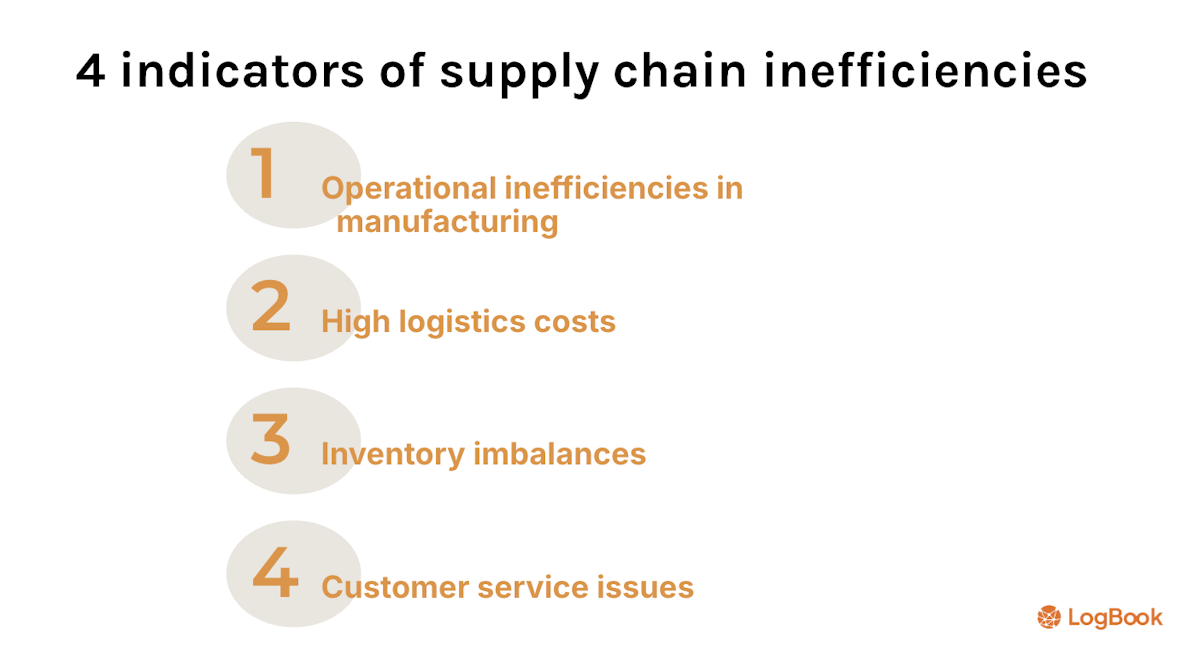
Location data is the foundation of every supply chain operation. It connects suppliers, warehouses, transportation networks, distribution centers, and customers, ensuring that goods move to the right place at the right time. When location data is accurate, businesses can optimize operations, reduce costs, and provide reliable service. However, when location data is inaccurate, incomplete, or inconsistent, the consequences extend far beyond simple administrative errors.
Many organizations still view poor location data as an isolated IT or data management problem. In reality, its impact reaches every aspect of the business—from daily operations and customer experience to strategic decision-making and long-term competitiveness.
As supply chains become increasingly complex and digital, the cost of poor location data continues to grow. In this blog post, we will explore the most common ways inaccurate location data impacts businesses and why organizations can no longer afford to ignore this challenge.
Operational Inefficiencies Across the Supply Chain
One of the most immediate consequences of poor location data is operational inefficiency.
When addresses are incorrect, incomplete, or duplicated, employees spend valuable time identifying, correcting, and validating information instead of focusing on higher-value activities. Transportation planners may struggle to optimize routes, warehouse operators may encounter delays processing shipments, and customer service teams often spend additional time resolving delivery issues.
For example, a shipment sent to an incorrect or outdated address may require rerouting, manual intervention, or complete reprocessing. While a single incident may seem insignificant, repeated occurrences across thousands of shipments can create substantial operational disruption.
As organizations scale their operations, even small location data inaccuracies can result in significant productivity losses.
Increased Transportation and Logistics Costs
Poor location data has a direct impact on transportation costs.
Incorrect addresses often lead to longer routes, additional fuel consumption, missed delivery windows, and failed delivery attempts. In some cases, shipments may need to be returned, rescheduled, or manually redirected, creating additional operational expenses.
Furthermore, duplicate or inconsistent location records can prevent transportation management systems from optimizing routes effectively. Without accurate location information, businesses lose opportunities to consolidate shipments, improve vehicle utilization, and reduce transportation costs.
These inefficiencies often remain hidden because they appear as routine operational expenses rather than symptoms of a larger data quality problem.
Over time, however, these costs accumulate and can significantly impact profitability.
Warehouse Inefficiencies and Inventory Challenges
The impact of poor location data extends well beyond transportation.
Warehouse operations depend heavily on accurate location information to manage inventory, allocate resources, and process orders efficiently. When location records are inconsistent or duplicated, warehouse teams may experience delays locating inventory, processing shipments, or coordinating inbound and outbound operations.
Inaccurate location data can also lead to inventory discrepancies, duplicate stock records, and inefficient storage allocation. These issues increase labor costs, reduce productivity, and limit an organization's ability to respond quickly to customer demand.
As warehouse automation becomes more common, the importance of maintaining accurate location data becomes even greater. Automated systems rely on precise information to function effectively, and even minor inaccuracies can create significant operational disruptions.
Delivery Delays and Customer Dissatisfaction
Customer expectations continue to rise, with businesses under constant pressure to provide faster, more reliable service.
Poor location data directly impacts an organization's ability to meet these expectations. Incorrect addresses, missing delivery instructions, or incomplete location information can result in delayed deliveries, missed appointments, and failed shipments.
For customers, these issues often translate into frustration, lost trust, and negative experiences. In competitive markets, even a small number of service failures can influence customer loyalty and purchasing decisions.
Beyond the immediate impact on customer satisfaction, delivery failures also create additional operational costs through customer support requests, returns processing, and repeated delivery attempts.
In today's business environment, reliable location data has become an essential component of customer experience management.
Reduced Visibility and Poor Decision-Making
Modern businesses increasingly rely on data to support strategic decision-making. However, the quality of those decisions depends heavily on the quality of the underlying data.
When location data is inconsistent, duplicated, or inaccurate, organizations struggle to gain a clear view of their operations. Reports become unreliable, analytics lose accuracy, and forecasting models become less effective.
For example, businesses may:
- Misidentify high-demand regions
- Overestimate transportation capacity
- Underestimate operational costs
- Misallocate inventory
- Select suboptimal warehouse locations
- Miss opportunities for network optimization
Without accurate location data, organizations lose the ability to make confident, data-driven decisions.
This hidden strategic impact often proves more costly than the operational disruptions themselves.
Increased Compliance and Risk Exposure
For many industries, accurate location data is not only an operational requirement but also a regulatory necessity.
Industries such as pharmaceuticals, chemicals, manufacturing, and food logistics depend on precise location information to maintain compliance with safety, transportation, and reporting regulations.
Inaccurate or incomplete location data can lead to:
- Regulatory non-compliance
- Failed audits
- Increased liability
- Supply chain disruptions
- Reputational damage
Additionally, businesses may struggle to identify and manage operational risks effectively if they lack a complete and accurate understanding of their supply chain network.
As regulatory requirements continue to evolve, maintaining high-quality location data will become increasingly important for risk management and business continuity.
The Hidden Cost of Manual Workarounds
Perhaps one of the most overlooked impacts of poor location data is the amount of manual effort required to compensate for it.
Many organizations develop unofficial processes to manage location data problems. Employees manually verify addresses, maintain local spreadsheets, correct records across multiple systems, and communicate operational exceptions through emails and phone calls.
While these workarounds help maintain business continuity, they introduce additional costs, reduce productivity, and create new opportunities for error.
Over time, organizations become dependent on manual processes that limit scalability and undermine digital transformation initiatives.
The true cost of poor location data is often hidden within these everyday operational activities.
Why Businesses Must Address the Problem Now
As supply chains become more digital, automated, and interconnected, the consequences of poor location data will only become more significant.
Emerging technologies such as artificial intelligence, predictive analytics, warehouse automation, and autonomous transportation all rely on accurate and standardized location information. Without a reliable data foundation, businesses risk limiting the value of their technology investments.
Organizations that prioritize location data quality today will be better positioned to reduce costs, improve customer satisfaction, increase operational efficiency, and build more resilient supply chains for the future.
Those that continue to overlook the problem may find themselves managing an increasing number of operational challenges without ever addressing their root cause.
Conclusion
Poor location data is not simply a data quality issue—it is a business issue.
Its impact extends across transportation, warehousing, customer service, compliance, and strategic decision-making. While the effects may initially appear small and isolated, they often accumulate over time, creating significant operational inefficiencies and financial costs.
As businesses continue to invest in digital transformation and supply chain optimization, ensuring accurate, consistent, and reliable location data has become a strategic necessity.
Organizations that recognize this challenge and act proactively will gain a significant competitive advantage in an increasingly complex and connected business environment.