Challenges of inaccurate location data in modern supply chain
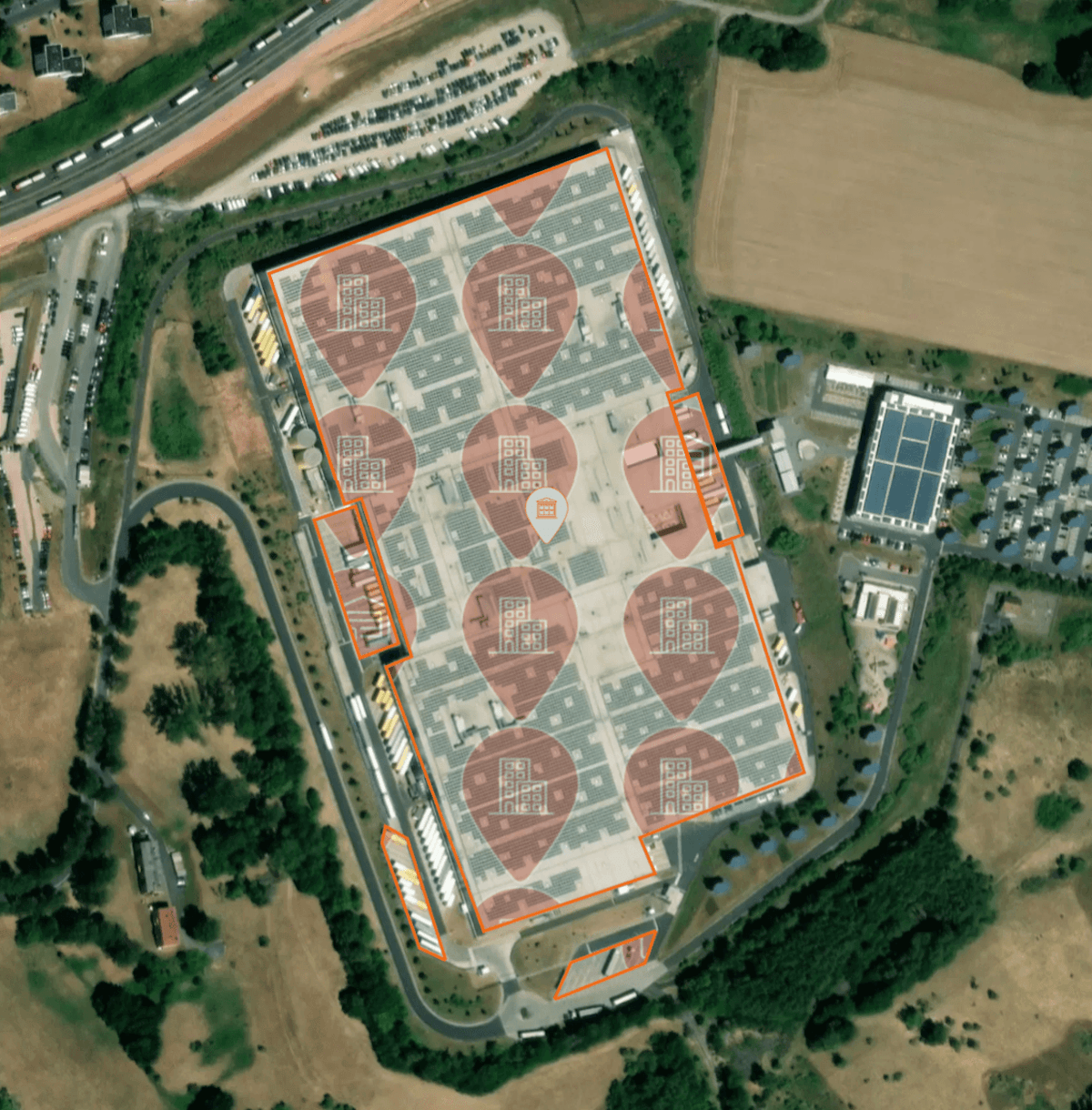
In today’s supply chain networks, where speed, efficiency, and precision are critical, inaccurate location data can cause significant disruptions. While often overlooked, location data serves as the foundation for smooth operations, guiding everything from route planning to warehouse management. However, when this data is incorrect, outdated, or incomplete, it creates a domino effect of inefficiencies that ripple across the entire supply chain.
From missed deliveries to higher transportation costs, the consequences of bad location data are far-reaching. Let’s dive into the specific challenges caused by inaccurate location data and how they impact supply chain performance.
1. Operational inefficiencies and increased Costs
The most immediate and visible impact of inaccurate location data is operational inefficiency. Errors such as incorrect delivery addresses or misplaced warehouses can result in delays, wasted fuel, and additional labor costs. For companies managing hundreds or thousands of deliveries daily, even a small percentage of errors can quickly escalate into significant financial losses.
For example, a logistics provider that relies on outdated location data might unknowingly send trucks to an incorrect or inaccessible delivery point. The driver may then have to reroute or return to the depot, leading to increased fuel consumption and vehicle wear and tear. These inefficiencies compound when repeated across multiple deliveries, driving up transportation costs and reducing overall profitability.
2. Missed deliveries and customer dissatisfaction
Accurate and timely deliveries are at the heart of customer satisfaction, especially in an age where same-day and next-day delivery expectations have become the norm. Inaccurate location data, however, disrupts these expectations. When delivery drivers encounter incorrect or incomplete addresses, packages arrive late—or worse, not at all.
For e-commerce companies, a single missed delivery can lead to frustrated customers, negative reviews, and damaged brand reputation. Consider an online retailer delivering to urban areas. If location data for apartment complexes is incorrect or missing details like unit numbers, drivers may fail to complete the delivery. The result? Delays, additional delivery attempts, and dissatisfied customers who may take their business elsewhere.
3. Challenges in resource allocation
Inaccurate location data also affects how businesses allocate resources, from inventory to personnel. When companies don’t have a clear understanding of where their assets are located or where demand is concentrated, it becomes challenging to plan effectively.
Take the example of a manufacturing company with multiple warehouses across different regions. If the location data for these facilities is outdated or inconsistent, the company may misallocate inventory, leading to stock shortages in high-demand areas and excess stock in others. This imbalance not only increases costs but also disrupts the overall efficiency of the supply chain.
4. Lack of transparency and poor collaboration
Accurate location data enables businesses to provide real-time updates to stakeholders, track goods at every stage, and ensure seamless collaboration between partners. When location data is inaccurate, however, the transparency breaks down.
For instance, a supplier may send goods to the wrong warehouse due to outdated location records, causing confusion and delays. Similarly, transportation providers may struggle to communicate accurate ETAs (estimated times of arrival) to customers if location data for delivery points is incomplete. This lack of clarity hinders collaboration, creating friction between stakeholders and reducing overall supply chain performance.
5. Compliance risks and penalties
For industries dealing with regulated goods, such as pharmaceuticals or hazardous materials, location data plays a critical role in compliance. Regulations often dictate specific requirements for storage, transportation routes, and delivery locations. Inaccurate data can result in non-compliance, exposing companies to fines, legal penalties, and reputational damage.
Imagine a chemical company transporting hazardous materials. If the location data for approved storage facilities is incorrect, the company risks routing shipments to non-compliant locations, violating safety regulations. These mistakes not only incur financial penalties but also pose serious safety risks, putting employees and communities at risk.
6. Missed opportunities for optimization
Accurate location data is essential for identifying opportunities to optimize supply chain operations.
Consider a logistics company planning delivery routes. If the location data for customer addresses is incomplete or outdated, the company cannot plan the most efficient routes, leading to higher fuel consumption and longer delivery times. Conversely, businesses with precise location data can leverage route optimization tools to minimize travel distances, reduce emissions, and save costs.
A global retail company, for example, used accurate location data to redesign its distribution network. By relocating warehouses closer to key markets and optimizing delivery routes, the company reduced transportation costs and improved delivery times, giving it a competitive edge in a crowded market.
Conclusion: Why accurate location data matters more than ever?
In a world where supply chains are more complex and interconnected than ever, the importance of accurate location data cannot be overstated. From reducing costs and improving efficiency to enhancing customer satisfaction and ensuring compliance, reliable location data underpins every aspect of modern supply chain management.
As businesses face growing pressures to operate faster, leaner, and more sustainably, addressing the challenges of inaccurate location data is no longer optional—it’s essential. By investing in solutions like LogBook, companies can overcome these challenges, unlock new opportunities, and build resilient supply chains that are ready for the future.
The time to act is now. Accurate location data isn’t just a tool for today—it’s the foundation for success in the years ahead.